Column · @andykdzb607
Cafe Marketing Ideas That Work on a Small Budget
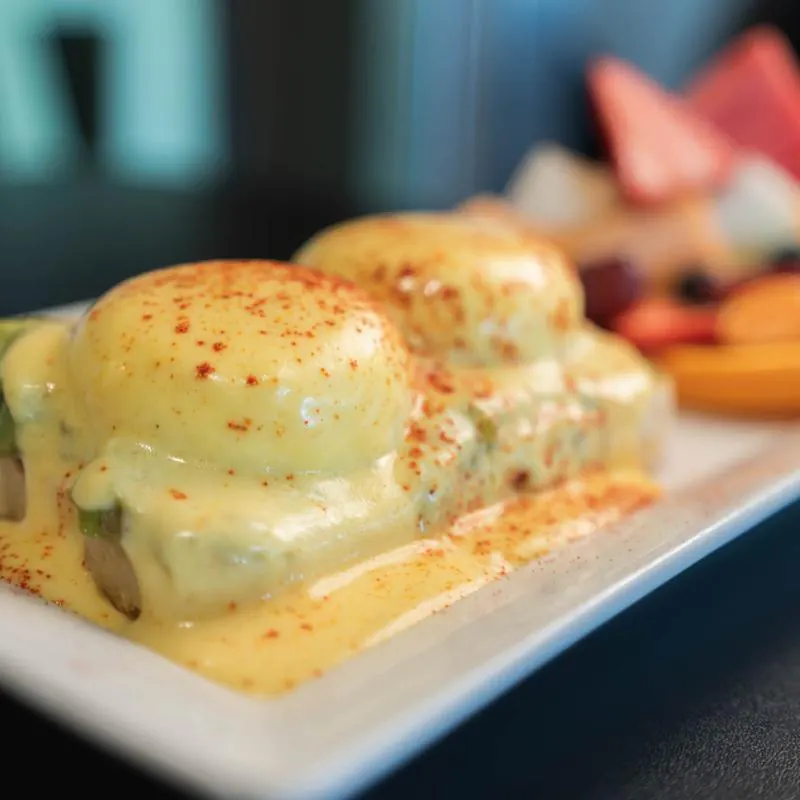
Running a cafe rarely leaves much room for waste. Rent climbs, food costs drift upward, wages deserve respect, and equipment seems to break at the worst possible moment. Marketing often gets squeezed in the middle of all that. Owners know they need it, but they do not have the cash for a glossy agency campaign, a professional video crew, or a months-long brand overhaul.
The good news is that most successful cafe marketing does not come from expensive tactics. It comes from consistency, local relevance, and a sharp understanding of why people choose one place over another. In my experience, the cafes that market well on a lean budget are not necessarily the loudest. They are the ones that make it easy for people to notice them, remember them, and return with a friend.
A small independent cafe has one advantage that bigger chains struggle to imitate. It can feel human. It can know regulars by name, adapt quickly, and tell a believable story. That matters more than many owners realize. People do not only buy coffee. They buy convenience, ritual, mood, familiarity, and social proof. Good budget marketing works when it makes those things visible.
Start with the offer, not the promotion
A common mistake is trying to advertise before the cafe has clarified what makes it worth talking about. You can post every day, print flyers, and run discounts, but if the customer cannot answer one simple question, none of it sticks: why this cafe?
That answer does not need to be dramatic. In fact, the strongest positioning is often plain and specific. Maybe your cafe is the fastest morning stop on a commuter route. Maybe it has the best quiet weekday workspace in the neighborhood. Maybe it is the place parents can sit comfortably with children. Maybe it is known for a house-made pastry that sells out by 10 a.m. Those are marketable advantages because they are concrete.
I have seen small cafes waste money promoting a vague identity, usually some version of quality coffee and great atmosphere. That language is too soft to travel. Customers repeat specifics, not abstractions. They tell coworkers about the giant almond croissant, the shady back patio, the dog treats by the till, the breakfast bundle that actually saves money, or the barista who remembers their order. Before spending anything, define what people should notice first.
A useful exercise is to listen at the counter for one week. Pay attention to what regulars mention without prompting. They often reveal the real selling points. One owner I worked with believed his signature draw was specialty espresso. Customers kept talking instead about the affordable soup-and-toast lunch combo. Once he leaned into that in window bennies.cafe Cafe signage and social posts, lunchtime traffic improved within a month.
Make the outside work harder
For a neighborhood cafe, the storefront is usually the cheapest marketing channel available. It is also the one many owners underuse. If hundreds of people walk or drive past each day, the front of the business should answer three questions immediately: what is this place, why should I come in, and what should I buy today?
Clear signage matters more than cleverness. If your main sign looks stylish but does not communicate that you are a cafe from a distance, it is failing. The same goes for windows packed with decorative clutter but no readable offer. A passerby should be able to grasp your category and one attractive reason to enter in a few seconds.
Chalkboards still work when they are specific. “Fresh pastries” is fine. “Warm cinnamon buns until 11” is better. “Coffee and pastry, $7.50 before 9 a.m.” is better still, if the numbers make sense for your margins. Specificity gives people a nudge at the exact moment they are deciding.
Seasonal cues also pull more weight than people expect. A modest display of iced drinks on the first hot week of spring, a handwritten sign for spiced hot chocolate on a wet afternoon, or visible pastry trays near the window can all outperform a paid post because they reach customers when intent is already present.
Build a repeatable local social presence
Social media can burn time fast, especially when owners feel pressure to behave like a lifestyle brand. A small cafe does not need to produce cinematic content. It needs to stay visible, recognizable, and current. The goal is not viral reach. The goal is to make nearby people think, “That place looks good, I should stop in.”
Simple content usually wins because it feels honest. Fresh bakes cooling on a tray, the morning light at the bar, a close shot of a seasonal drink, a staff member plating a sandwich, a busy Saturday queue, a quiet corner table at 8 a.m. Those scenes tell a practical story. They show freshness, rhythm, and atmosphere without trying too hard.
What often matters most is frequency and clarity. If a cafe posts once every six weeks, customers assume not much is happening. If it posts three or four times a week with recognizable visuals and useful captions, it stays mentally available. Useful captions beat generic ones. Say when a special is available. Mention that the pistachio cake is back for the weekend. Tell people the patio is open. Let them know the kitchen starts serving at 7:30.
You do not need every platform. For most cafes, one strong visual platform and an updated Google Business Profile can carry a surprising amount of the load. If your audience skews younger, short video clips may help. If your customer base is broad and local, Instagram plus Google is often enough. The mistake is spreading effort across too many channels and neglecting the basics.
Here are five low-cost channels that tend to outperform their price tag for independent cafes:
- Google Business Profile, kept current with hours, photos, menu items, and posts
- Instagram, focused on daily products, staff personality, and timely specials
- Email, even if it is only sent twice a month with real updates
- In-store signage, especially at the counter, window, and pickup area
- Partnerships with nearby businesses, schools, gyms, or studios
That list looks simple because it is. Most small businesses do not need more options. They need to execute the obvious ones well.
Google matters more than many cafes think
When people search for a cafe, they are often close by and ready to act. That makes your Google Business Profile one of the highest-intent marketing assets you have. It is not glamorous, but it can drive meaningful traffic.
Owners sometimes claim their social feed is their shop window. In practice, Google is often the front door. People check hours, skim photos, scan reviews, and decide whether your place seems alive, clean, and worth the stop. If your listing has outdated holiday hours, dim photos from three years ago, and no recent reviews, you lose trust before the first visit.
Fresh images matter. Upload bright photos of drinks, food, seating, and the exterior. Make sure the menu is easy to find. If something has changed, reflect it quickly. Cafes get punished more than they realize for making customers guess whether they are open, whether food is available, or whether there is seating.
Reviews also deserve steady attention. You do not need dozens every week. You do need a system that gently encourages happy regulars to leave one. A sincere ask at the right moment works better than scripted pressure. If someone says they loved the flat white or that your team made their morning, that is the moment to say, “If you ever have a minute to leave us a Google review, it helps a small business like ours a lot.”
Give regulars a reason to come back sooner
On a tight budget, retention usually beats acquisition. Winning a new customer can be expensive in time and effort. Convincing someone who already likes you to return one extra time per month is often easier and more profitable.
Loyalty programs can help, but they need to be simple. A paper stamp card still works in many cafes because it is easy to understand and hard to overthink. Digital loyalty apps can work too, but only if staff can explain them in a sentence and customers can use them without friction. Complicated reward rules kill momentum.
The best return-driving offers are tied to behavior. If mornings are packed and afternoons drag, build an offer for the slow period. A small pastry discount with any post-2 p.m. Drink can move inventory and improve labor efficiency. If weekdays are steady but weekends are weak, create a Saturday-only product that people can anticipate. One cafe I know ran a Sunday cardamom bun that sold out almost every week, not because it was heavily advertised, but because customers built it into their routine.
There is a trade-off here. Discounts can train customers to wait for deals if used carelessly. That is why value adds often perform better than price cuts. A small cookie with a children’s hot chocolate, a coffee-and-toast bundle, or a free syrup upgrade during a seasonal push can feel generous without eroding the core price structure.
Use neighboring businesses as your media network
For local cafes, nearby businesses are not just neighbors. They are distribution channels for awareness. This approach costs little and often produces better customers than paid ads because the trust transfer is immediate.
Think about the routines around your cafe. Offices need catering trays, real estate agents need quick meeting spots, salons need places to send clients while they wait, gyms need post-workout options, and boutique shops like being able to recommend a nearby coffee stop. A simple reciprocal relationship can put your cafe in front of people already in the area.
This works best when the partnership is practical, not forced. A discount flyer left on a random counter rarely changes behavior. A staff-only coffee code for a neighboring business can. A standing arrangement with a nearby yoga studio for post-class drinks can. A tray of mini pastries dropped off at a local office with a menu card can. One modestly sized law office can become a meaningful weekday revenue stream if you make ordering painless and delivery reliable.
I have seen cafes spend hundreds on social ads while ignoring the dentist next door, the co-working space around the corner, and the primary school two blocks away. Those relationships are often worth more than another month of boosted posts.
Turn ordinary moments into marketing assets
A lot of affordable marketing is really just better observation. Watch where attention naturally gathers in your cafe. Maybe people always photograph the latte art under a particular window. Maybe your pastry counter looks especially good at 8:15. Maybe customers repeatedly ask whether beans are for sale. Those are signals.
If people already notice something, make it easier to share. Put your best-looking products where the light is strongest. Keep takeaway cups visually consistent. Make sure your name is visible on packaging without screaming for attention. If your ceramic cups are distinctive, use them prominently in photos. If dogs are common visitors, keep a neat water bowl outside and let that become part of your neighborhood identity.
User-generated content helps because it feels real. You do not need to beg for tags. You need to create a place and product people want to show their friends. A cafe corner with a little visual charm, not staged, just warm and coherent, will outperform a lot of planned content over time.
There is also room for small rituals. A handwritten note on catering orders, a tiny birthday cookie for regulars, or a visible “baker’s tray just out of the oven” moment can all become stories customers carry away. Those touches cost little, but they give people something to mention later.
Email is still underrated for cafes
Many cafe owners assume email is only useful for large retailers. That is a mistake. A small list of local subscribers who actually care about your business can be more valuable than a much larger social following you do not fully reach.
The trick is keeping email relevant. No one wants a corporate newsletter from a neighborhood cafe. They do want to know when the holiday drinks return, when brunch starts, when a live music evening is coming up, or when preorders are open for a holiday bake box. Keep it visually clean and brief. A short note twice a month can be enough.
If you collect emails, do it with a reason. “Join our list” is weak. “Get first notice for seasonal menus and preorder days” is stronger. The promise should match what you actually send. If you abuse the list with too many messages or empty updates, people tune out quickly.
A cafe with even 300 engaged local subscribers can fill a pre-order event, launch a new product line, or smooth out a slower weekday window. That is strong leverage for almost no spend.
Small events can outperform expensive campaigns
Events do not need to mean live bands and major promotion. In a cafe setting, smaller usually works better. A cupping session, a tasting flight, a collaboration with a local baker, a children’s story hour in a quiet time slot, or a simple after-hours workshop can all bring in attention without creating operational chaos.
The key is fit. An event should reinforce the kind of cafe you are, not distract from it. If your space is calm and design-led, a loud evening set may alienate your base. If your crowd includes families, a school-holiday activity might be a better move. If you are known for coffee quality, a brew-method class gives you authority and product education at the same time.
One caution from experience: events often look profitable on paper but create hidden strain. Staff hours stretch, regular service can suffer, and cleanup takes longer than expected. Test small before making events a pillar of your strategy. A 20-person tasting that runs smoothly is more valuable than a 70-person event that leaves the team exhausted and customers underwhelmed.
Packaging and menus do more selling than you think
When budgets are tight, printed materials need to work hard. That includes menus, takeaway cups, pastry labels, and small inserts. Every piece should either improve the customer decision or prompt a repeat visit.
Menus are often too dense. If you want to sell more food, make food easy to see. If your margin is better on a breakfast combo or lunch deal, give it visual priority. If a product is new or seasonal, call it out clearly. Customers usually choose what stands out fastest.
Takeaway packaging can also support memory. A neat sticker with your cafe name and handle, a simple reorder prompt, or a card mentioning retail beans or preorders can extend the relationship. This does not need to feel salesy. It just needs to answer the question, what should this customer do next?
A small insert can work especially well for higher-value purchases such as bean bags, brunch takeaway, or catering boxes. Mention one relevant next step, not six. Too much information gets ignored.
Track what actually changes behavior
The beauty of small-budget marketing is that you can learn quickly. The danger is that owners often judge tactics by how creative they feel rather than what they produce. A cafe does not need a sophisticated analytics stack, but it does need some discipline.
Look for signals tied to real behavior. Did a promoted pastry actually sell more units? Did the afternoon offer lift transactions in that daypart? Did the office drop-off generate a catering follow-up? Did updated Google photos coincide with more direction requests or calls? If you cannot tell whether a tactic worked, simplify it until you can.
A practical review can be built around just a few questions:
- What brought in first-time customers this month
- What brought existing customers back sooner
- Which products sold best when actively promoted
- Which time slots remain weak despite offers
- What can we repeat next month with minimal extra effort
That kind of review keeps marketing grounded in operations. It also helps owners avoid the trap of chasing novelty. Most successful cafe marketing is boring in the best sense. It repeats what works, trims what does not, and gets a little sharper each month.
The budget advantage most cafes overlook
There is a hidden strength in not having a huge marketing budget. It forces selectivity. A small cafe cannot afford to communicate ten different messages, so it has to choose the one or two that matter. That usually leads to better marketing.
When owners accept that constraint, they stop trying to look big and start trying to feel indispensable. That shift changes everything. The goal is no longer broad attention. It is relevant attention from nearby people who can become regulars.
A cafe with a clear offer, active local presence, disciplined storefront messaging, and a few thoughtful partnerships can outperform a more expensive but less focused competitor. I have seen it happen repeatedly. The businesses that win are not always the ones with the best branding deck or the largest ad spend. They are the ones that understand their street, their customers, and their own strengths.
If your budget is small, take that seriously, but do not treat it as a handicap that makes marketing impossible. It simply means your marketing must be close to the ground. Better signs. Better photos. Better timing. Better follow-through. Better reasons to return. For an independent cafe, those basics are not second-best options. Very often, they are the strategies that work.
Bennies Cafe
17230 Jackson Creek Pkwy Ste 100, Monument, CO 80132
+1 719-445-0660
FAQ About Cafe
What is considered a café?
A café is generally an informal place to enjoy refreshments and a meal. Bennies Cafe in Monument serves breakfast and lunch in a counter-service setting, with options including eggs Benedict, sandwiches and crepes. Guests can eat in or arrange pickup.
What is the difference between a coffee shop and a café?
The terms often overlap. A coffee shop usually emphasizes coffee and other drinks, while a café may offer a broader food menu. Check the individual establishment's menu rather than relying on its name. Bennies Cafe offers coffee drinks alongside breakfast and lunch dishes.
What is the difference between café and coffee?
In everyday English, a café is a place where people buy food and drinks, while coffee is the beverage. The word café comes from the French word for coffee. Bennies Cafe serves options such as brewed coffee, espresso and lattes as part of its drinks menu.